



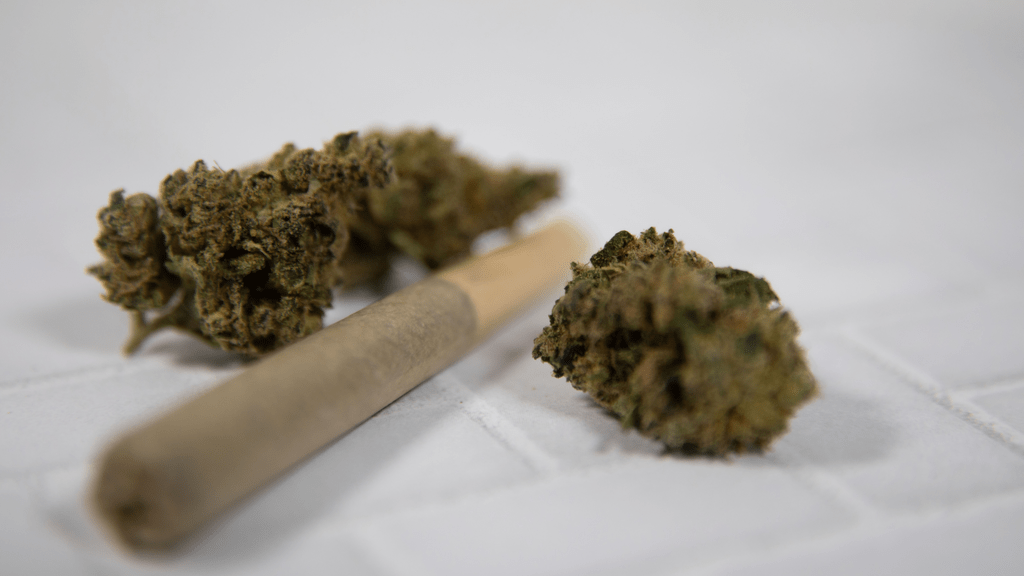
Cannabis growers constantly debate the strengths of different cultivation environments, and each method delivers unique chemical and sensory outcomes. Indoor rooms, outdoor fields, and greenhouse structures create distinct profiles that influence potency, aroma, flavor, and overall consumer experience. The method shapes how each plant develops, and it often determines the character that reaches the jar or pre-roll.
Indoor: Full Control and Predictable Results
Indoor cultivation offers complete command over variables that influence growth cycles. Growers fine-tune temperature, humidity, air movement, nutrient delivery, and CO₂ levels with precision-controlled equipment. This environment produces buds with tight structure, strong cannabinoid numbers, and heavy trichome coverage. Dense colas, sharp aroma, and impressive visual appeal typically define indoor flower.
A controlled room limits natural stressors, which sometimes reduces terpene range. Although potency remains strong, flavor depth can differ from outdoor or greenhouse harvests. Indoor operations still remain a top choice for brands that focus on uniformity, reliable appearance, and consistent batches across the year.
Outdoor: Sun-Driven Expression and Natural Terroir
Outdoor cultivation places the plant under full-spectrum sunlight, which creates a distinctive chemical fingerprint. Soil microbes, natural airflow, seasonal weather patterns, and wide temperature swings contribute to elevated terpene complexity and broader cannabinoid distribution. Sun-grown flower often stands out through richer aroma layers, smoother smoke, and unique regional identity.
Bud structure outdoors usually appears lighter and more airy than indoor cultivation, but many consumers value the depth of flavor produced by natural conditions. Large-scale outdoor fields also deliver stronger sustainability benefits, reducing energy use and supporting living soil ecosystems. Variability remains the biggest trade-off, since each season introduces new challenges.
Greenhouse: A Balanced Middle Path
Greenhouse cultivation blends sunlight with environmental control tools like automated vents, shade systems, and supplemental lighting. Plants benefit from natural light while still receiving stable, predictable protection from wind, pests, and harsh conditions. This hybrid method yields flower with a mix of indoor density and outdoor terpene richness.
Greenhouse buds often carry a vibrant aroma, solid structure, and excellent trichome coverage. Growers also achieve year-round production without the heavy energy footprint linked to indoor facilities. Many cultivators view this method as the most efficient pathway toward premium craft cannabis on a scalable footprint.
How Each Method Shapes the Final Profile
Indoor:
- Dense, frosty buds
- High THC output
- Strong visual appeal
- Terpene variety sometimes limited
Outdoor:
- Deep, complex aroma layers
- Balanced mix of minor cannabinoids
- Airy structure with natural character
- Regional and climatic influence creates uniqueness
Greenhouse:
- Harmonized profile with both density and flavor depth
- Stable production cycles
- More sustainable than indoor rooms
- Aroma typically stronger than indoor but more controlled than outdoor
Choosing the Right Cultivation Environment
Growers select methods that align with production goals, energy budgets, brand identity, and consumer expectations. Indoor cultivation offers reliable appearance and potency. Outdoor fields deliver unmatched terpene intensity and authentic character. Greenhouse structures provide efficiency, balanced profiles, and flexibility.
Each environment shapes cannabis differently, and none reigns supreme for every grower or consumer. The diversity created by these methods enriches the market, giving shoppers a wider range of flavors, aromas, and effects to explore.